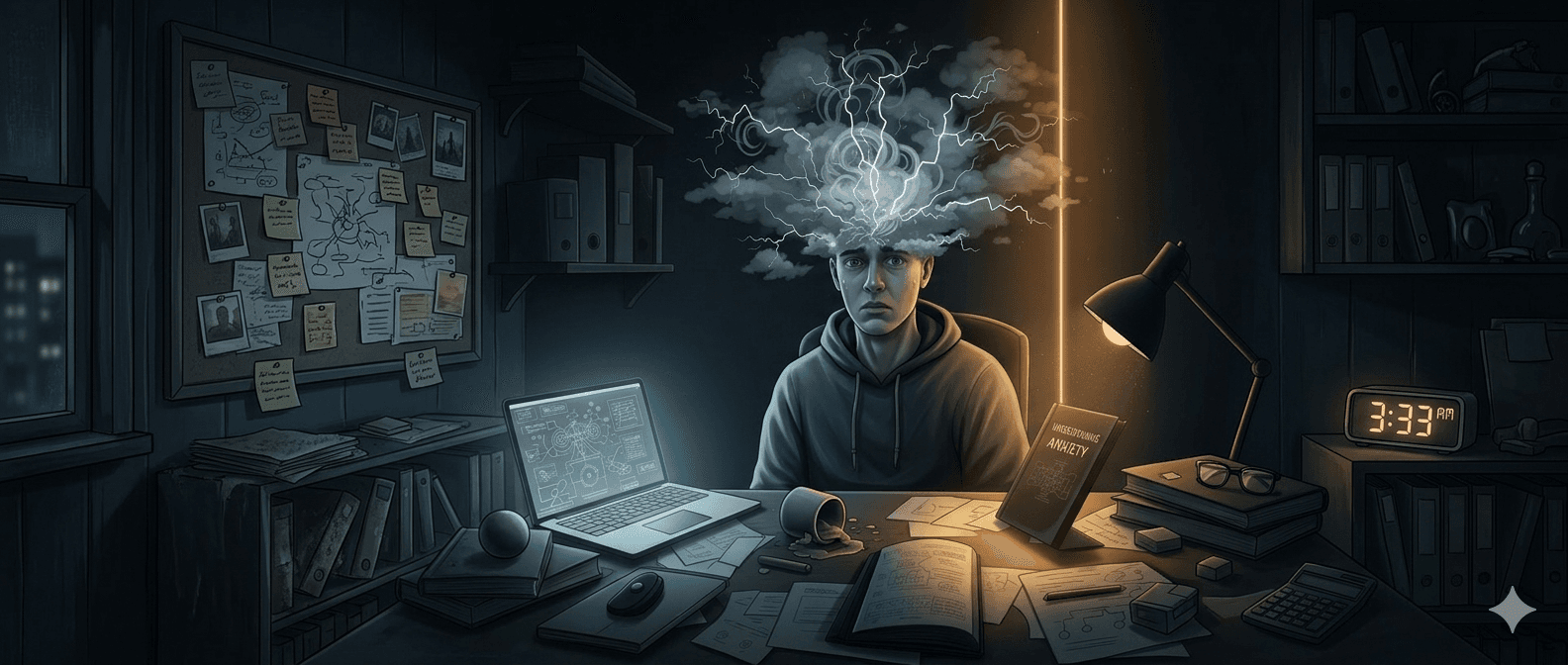
Anxiety is a natural human response to stress and perceived threats. It's our body's way of preparing us to face challenging situations. However, when anxiety becomes persistent, overwhelming, or interferes with daily life, it may be time to seek professional support.
What is Anxiety?
Anxiety is characterized by feelings of worry, nervousness, or unease about something with an uncertain outcome. While everyone experiences anxiety from time to time, anxiety disorders involve more than temporary worry or fear.
Common Signs and Symptoms
Anxiety can manifest in various ways, both physically and emotionally:
- Physical symptoms: Racing heart, sweating, trembling, shortness of breath, fatigue, muscle tension, headaches
- Emotional symptoms: Persistent worry, feeling on edge, irritability, difficulty concentrating, sleep disturbances
- Behavioral symptoms: Avoiding situations that trigger anxiety, difficulty making decisions, seeking constant reassurance
When to Seek Professional Help
Consider reaching out to a mental health professional if:
- Your anxiety is interfering with work, relationships, or daily activities
- You're avoiding situations due to fear or worry
- You experience panic attacks
- Your anxiety is causing physical health issues
- You're using alcohol or other substances to cope
How Therapy Can Help
Evidence-based therapies like Cognitive Behavioral Therapy (CBT) and Acceptance and Commitment Therapy (ACT) have proven highly effective for treating anxiety. Through therapy, you can:
- Understand the root causes of your anxiety
- Learn practical coping strategies
- Challenge unhelpful thought patterns
- Develop resilience and emotional regulation skills
- Create a personalized plan for managing anxiety
Taking the First Step
Seeking help is a sign of strength, not weakness. If anxiety is affecting your quality of life, know that effective treatment is available, and recovery is possible. The journey begins with a single step—reaching out for support.