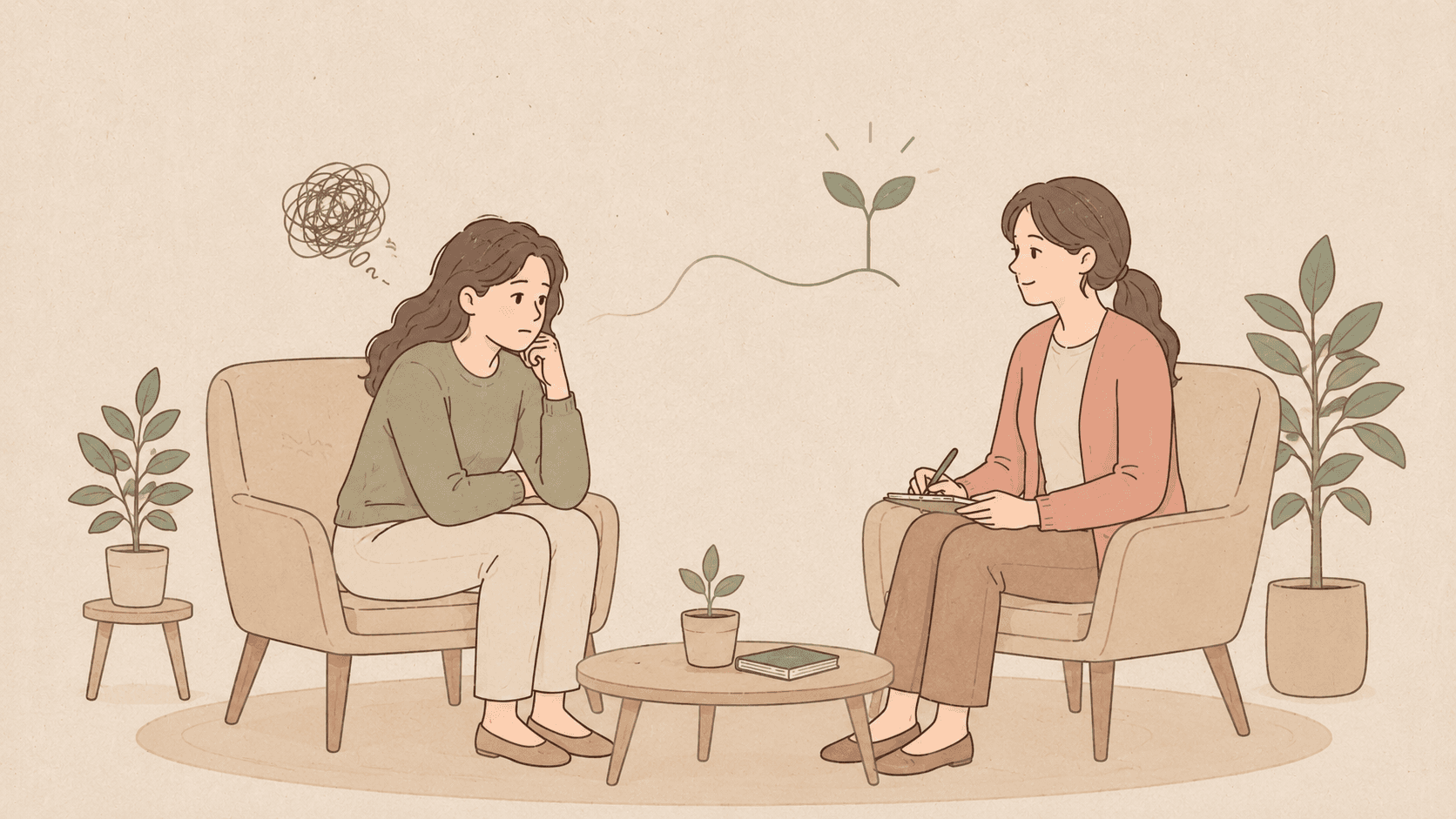
Trauma is the emotional, mental, or physical response to a deeply distressing or overwhelming experience. What makes an event traumatic is not only what happened, but how we each perceive and process it — which is why healing looks different for everyone.
What is Trauma?
Trauma is an emotional, mental, or physical response to deeply distressing or overwhelming experiences. Its impact depends not solely on what occurs, but on how individuals perceive and process events. People respond uniquely to similar situations — what proves traumatic for one person may differ for another. Traumatic experiences can include abuse, neglect, loss, serious illness, witnessing violence, natural disasters, major life transitions, or unsafe living conditions. Prolonged or repeated trauma can develop into complex trauma, disrupting emotional regulation, relationships, and one's fundamental sense of safety.
Recognizing Trauma
Trauma can show up across our emotions, behaviour, and physical well-being in many different ways:
- Emotional challenges including anxiety, mood swings, or difficulty managing feelings
- Behavioural changes such as withdrawal, irritability, or acting out
- Relationship struggles and difficulty trusting others
- Sleep disturbances or recurring nightmares
- Physical symptoms like fatigue, body aches, or headaches
- Concentration problems affecting work or school performance
- Heightened alertness, feeling "on edge," or persistent exhaustion
These reactions are natural responses to overwhelming situations. Recognizing them early makes it possible to seek healing and the right support.
What is Resilience?
Resilience is the capacity to recover, adapt, and grow following difficult or traumatic events. Healing is achievable, and with time individuals can restore their well-being — sometimes becoming stronger through the process. Strong, supportive relationships with friends, family, or community are essential for building resilience. Exercise, creative outlets, mindfulness practices, and social connection all contribute to feelings of capability, control, and hope for the future.
How Counselling Supports Trauma Recovery
Through counselling, you can:
- Feel safe and supported while expressing difficult emotions
- Gain validation and understanding of your experiences
- Explore and process traumatic events in a secure setting
- Learn strategies for managing and regulating emotions effectively
- Build confidence in your ability to cope and recover
- Strengthen resilience and develop hope for the future
Conclusion
While trauma can feel overwhelming, recovery is possible. With professional guidance, individuals can process their experiences, rebuild confidence, and gradually restore their sense of safety. Every step forward brings hope and the opportunity to create a brighter, more fulfilling future.